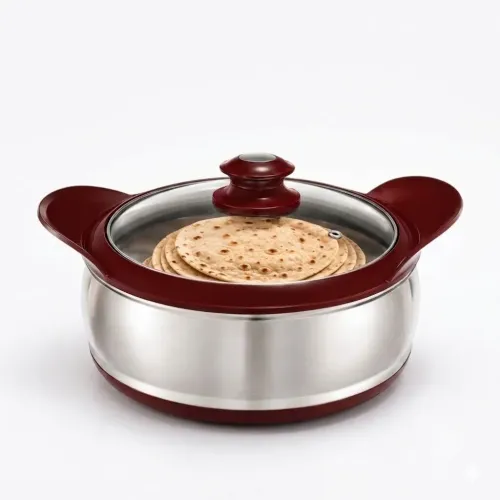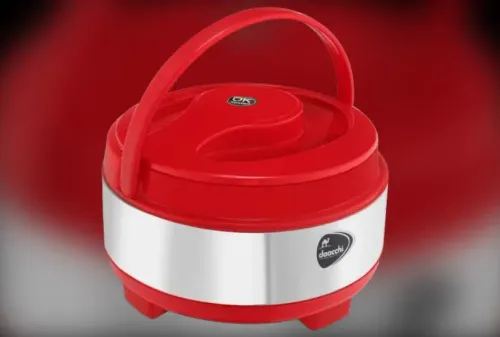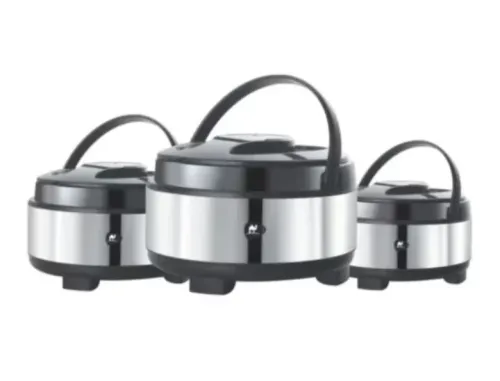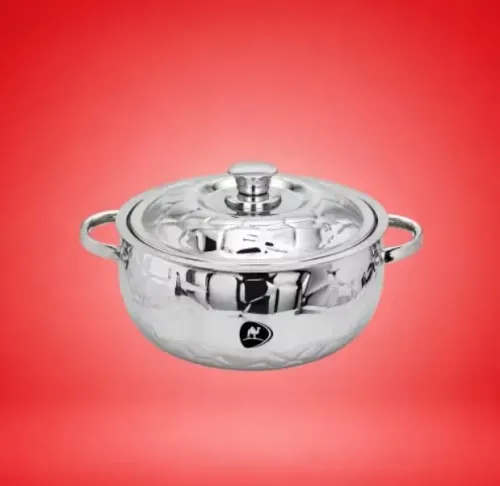
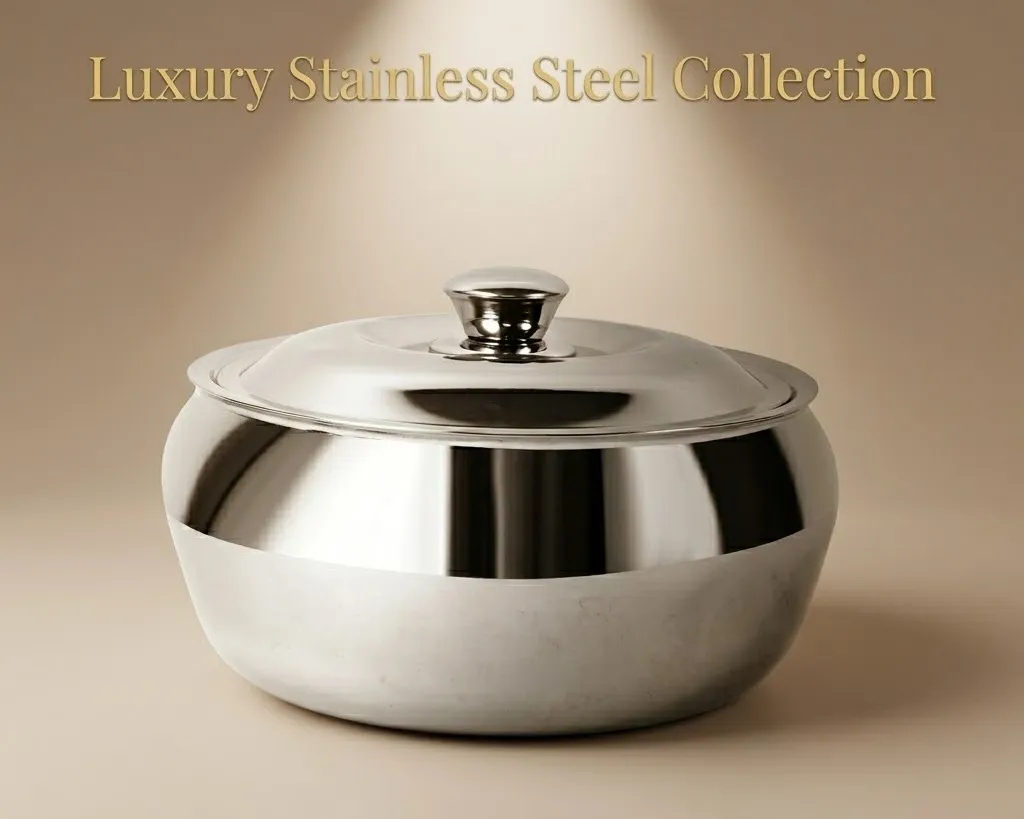
Hot pots are familiar products, but sourcing them commercially can become complicated when purchasing decisions are based mainly on appearance or price. Retailers and distributors need products that remain consistent across orders, suit their target customers, and can be presented accurately in stores or online.
When comparing a Stainless Steel Hot Pot Manufacturer in Gurgaon, avoiding a few common procurement mistakes can improve both inventory planning and customer experience.
Mistake 1: Comparing products only by price
Two hot pots with similar capacities may differ in internal construction, exterior materials, insulation design, lid mechanism, finish, and packaging.
A price comparison is meaningful only after specifications have been aligned.
Instead of asking which model is cheapest, compare what is actually included at each price point and whether the product fits the intended retail segment.
Mistake 2: Ignoring usable capacity
Customers often choose hot pots based on how much food they normally serve. An assortment that contains only one capacity can therefore limit its relevance.
Retailers should consider whether their customers need compact hot pots, family-sized options, or coordinated sets.
Mistake 3: Making assumptions about heat retention
Insulated hot pots help slow temperature change, but actual performance varies. Claims should be based on verified product information rather than assumptions.
Starting food temperature, surrounding temperature, food quantity, construction, and lid-opening frequency can all influence heat retention.
Clear communication protects customer trust.
Mistake 4: Overlooking lid usability
Customers interact with the lid repeatedly. An attractive body cannot compensate for an inconvenient lid.
Buyers should check grip, fit, opening convenience, alignment, and cleaning requirements. For families with frequent everyday use, these details can strongly affect satisfaction.
Mistake 5: Ignoring packaging until the order is ready
Packaging should be discussed early, particularly for e-commerce, gifting, and modern retail.
A product may move through warehouses and multiple transport stages before reaching the customer. Appropriate packaging helps protect its finish and presentation.
Corporate gifting businesses may have additional presentation requirements, making packaging an integral part of the product rather than an afterthought.
Mistake 6: Failing to plan repeat procurement
If a model performs well, retailers need to know whether they can replenish it. Sudden changes in design, capacity, or finish can create complications with existing product listings and customer expectations.
Aarav Enterprises works in the stainless steel kitchenware and insulated houseware manufacturing category and can be evaluated by trade buyers looking for hot pots and related products.
Gurgaon, Haryana, supports a varied market encompassing household retail, corporate procurement, hospitality, e-commerce, and gifting. Suppliers serving this market need to understand that one product specification may not suit every sales channel.
Before placing a substantial order, prepare a written requirement covering model, capacity, quantity, finish, packaging, delivery expectations, and any other agreed specifications. Request representative product information and ensure both sides understand the same requirements.
Avoiding sourcing mistakes does more than reduce procurement problems. It helps wholesalers and retailers build a more dependable assortment, communicate product features accurately, and make purchasing decisions based on long-term commercial suitability rather than short-term price differences.
Keywords