Serving bowls and insulated hot pots may both hold prepared food, but they serve different purposes. For kitchenware dealers, hospitality suppliers, and household product retailers, understanding those differences helps determine which products belong in a particular assortment.
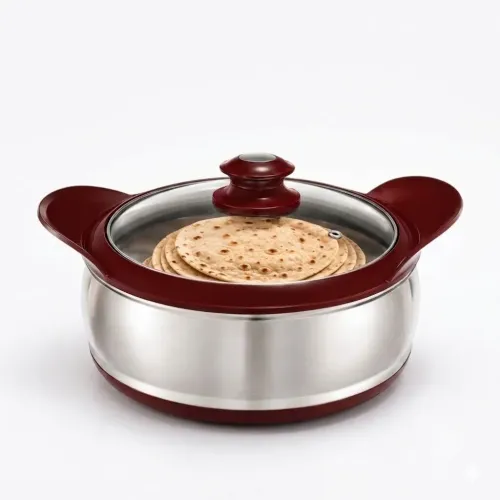
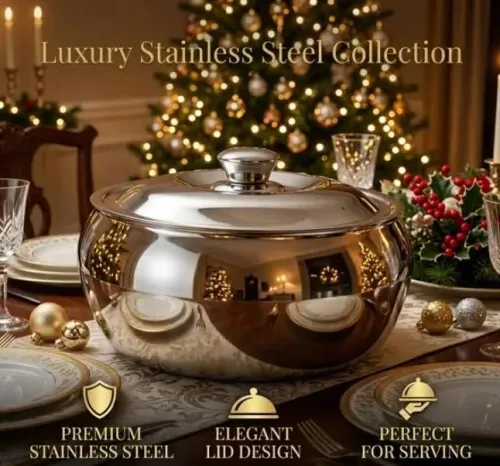
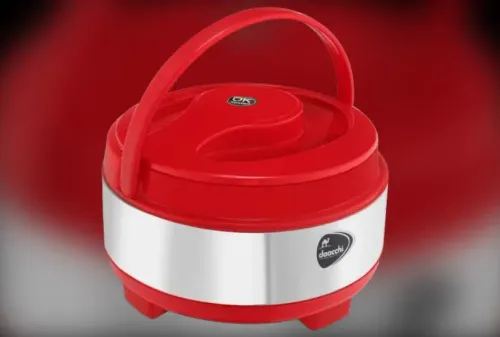
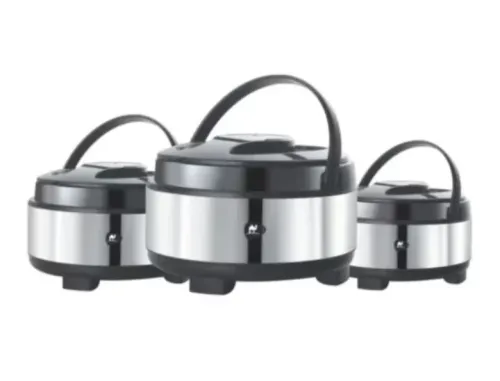
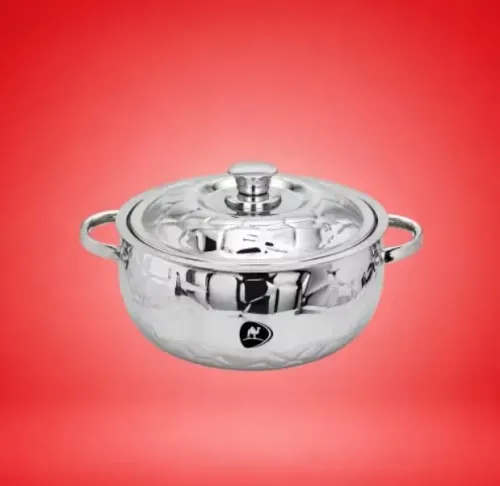
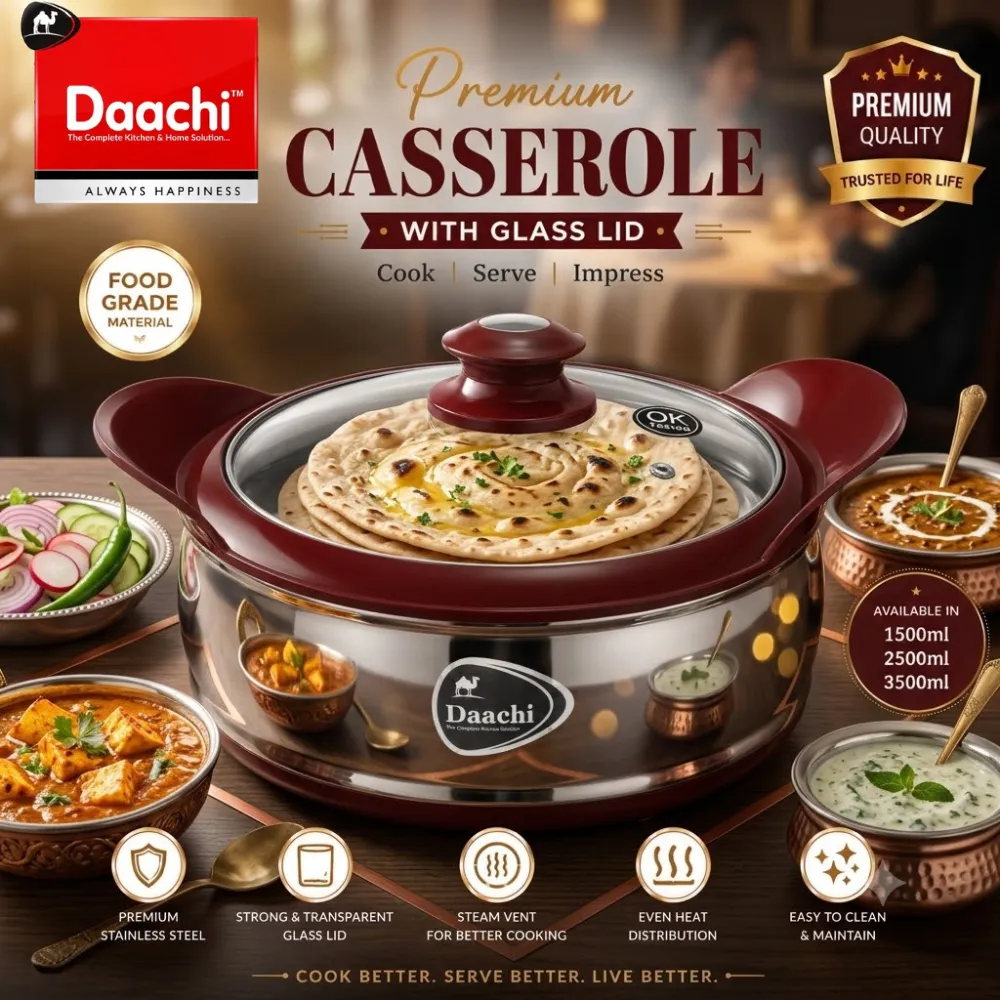
Buyers considering an Insulated Casserole Hot Pot in Faridabad generally need a product that combines serving convenience with insulation. A standard serving bowl, by comparison, focuses primarily on presentation and food containment.
The main difference is insulation
A conventional serving bowl has limited ability to slow temperature change unless it incorporates a specialized construction. An insulated casserole hot pot typically uses layered construction intended to reduce heat transfer.
This can be useful when food is prepared before serving or remains on the dining table during a meal.
However, insulation should be understood realistically. A hot pot does not continuously heat food. It simply helps slow temperature loss. Performance depends on the model, starting temperature, quantity of food, surrounding conditions, and how often the lid is opened.
When does a regular serving bowl make sense?
A serving bowl remains practical when temperature retention is not an important requirement. It can work well for salads, snacks, room-temperature foods, short serving periods, or occasions where presentation is the primary consideration.
It may also offer simpler construction and straightforward cleaning.
For retailers, this means hot pots and serving bowls do not necessarily compete for exactly the same customer need.
When is an insulated hot pot useful?
Insulated casseroles are particularly relevant for customers who prepare meals and want to serve them later without repeatedly transferring food between cooking and serving vessels.
Common household applications include:
- Rotis and parathas
- Rice dishes
- Curries
- Cooked vegetables
- Breakfast preparations
- Food served during family gatherings
Catering and hospitality buyers may also consider casseroles for specific serving situations, although commercial suitability depends on capacity and operational requirements.
What should dealers compare before ordering?
Price alone provides an incomplete comparison. Evaluate the inner material, insulation construction, lid design, exterior finish, capacity, handling, cleaning requirements, and packaging.
The intended selling channel matters too.
A premium retail store may prioritize coordinated designs and presentation. A high-volume household goods dealer might focus on practical capacities and competitive price positioning. Corporate gifting buyers may give greater weight to packaging and broad usefulness.
Faridabad in Haryana has residential, industrial, commercial, hospitality, and institutional demand within the broader NCR economy. A kitchenware range serving the area therefore needs to account for both individual consumers and professional procurement.
Aarav Enterprises offers stainless steel kitchenware and insulated houseware for trade buyers seeking products across different household applications.
The choice between a standard serving bowl and insulated hot pot ultimately depends on what the customer wants the product to accomplish. When temperature retention and covered serving are priorities, insulated construction has a clear functional role. When those features are unnecessary, a conventional serving bowl may be sufficient. Retailers that communicate this distinction clearly can help customers make more suitable purchases while developing a better-balanced kitchenware assortment.
Keywords