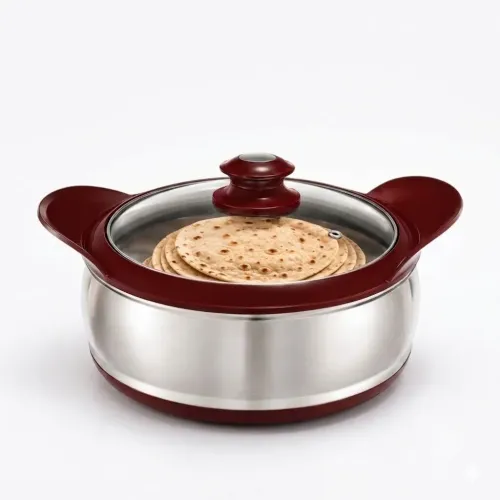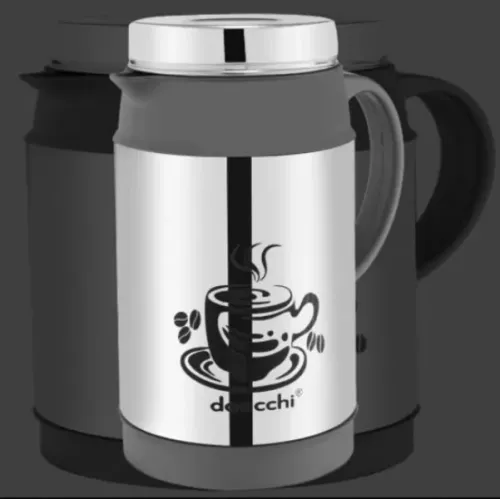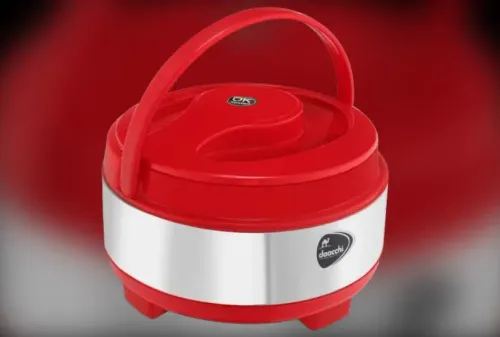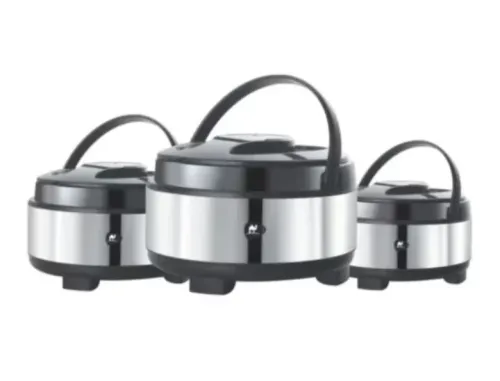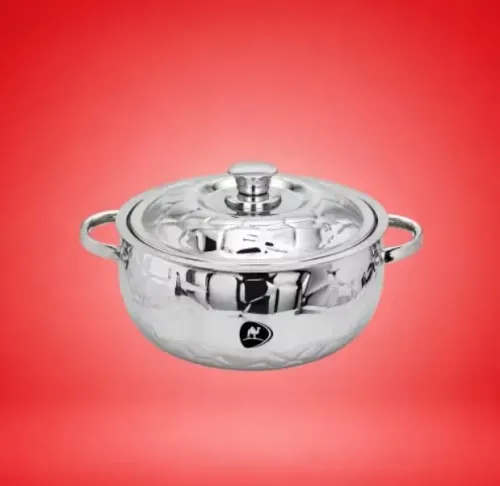
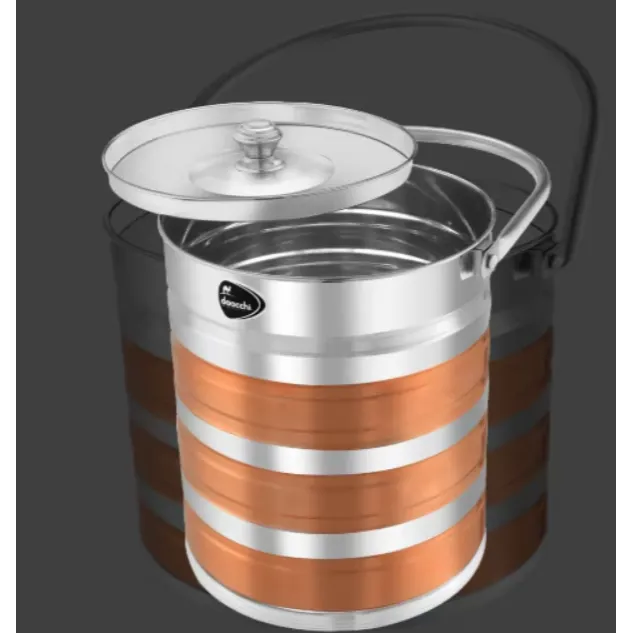
Milk containers are purchased for a specific functional purpose, which means commercial buyers should evaluate them differently from decorative kitchenware. Capacity, handling, lid design, internal finish, cleaning convenience, and durability all influence whether a model is suitable for routine use.
For dealers and distributors searching for a Stainless Steel Milk Container Supplier in Noida, bulk procurement should begin with a clear product specification rather than only a target price.
Define your customer before selecting the product
Household users may prefer manageable capacities that are convenient to lift, pour, clean, and store. Catering businesses or other higher-volume users may have different requirements.
A retailer should therefore determine which customer segment represents the strongest demand.
Questions worth answering include:
- What capacities sell most frequently?
- Is the product primarily for household use?
- Does the customer prioritize portability?
- How important is exterior appearance?
- Will products be sold individually or as part of a broader kitchenware range?
These answers make supplier comparisons more meaningful.
Inspect the body and internal finish
Stainless steel kitchenware should be evaluated physically whenever possible. Buyers can examine the surface for uniform finishing, smooth edges, balanced construction, and ease of cleaning.
The interior deserves particular attention because it comes into direct contact with the contents. Complex shapes can sometimes make routine cleaning more difficult, while a practical opening can improve access.
Evaluate the lid and handle together
A milk container is frequently lifted while filled. Handle comfort and attachment are therefore important.
The lid should also be appropriate for the product's intended use. Buyers should understand how securely it sits or closes and avoid assuming performance characteristics that have not been verified.
For online listings, accurate explanations of these details reduce the possibility of customers forming unrealistic expectations.
Compare suppliers on consistency rather than samples alone
A sample can demonstrate design and finish, but bulk buyers also need consistency.
Ask whether the same specification can be maintained across repeat orders. Packaging dimensions, finish, capacity, and product construction should remain predictable when a retailer replenishes stock.
Noida's location in Uttar Pradesh and its connection with the wider NCR distribution network make it an important commercial market for household goods. Dealers may supply local stores while also serving customers across neighbouring NCR cities.
This makes logistics and replenishment relevant to the sourcing decision.
Calculate commercial suitability
A procurement manager should consider landed product value rather than unit cost in isolation. Packaging efficiency, transportation, storage requirements, expected retail positioning, and potential repeat demand all influence commercial performance.
Aarav Enterprises manufactures stainless steel kitchenware and related houseware products for B2B buyers evaluating such categories.
Before confirming a larger order, procurement teams can shortlist capacities, inspect representative samples, define packaging expectations, and confirm commercial terms. This creates a more structured buying process and reduces avoidable misunderstandings later.
For wholesalers and dealers, a milk container should ultimately be easy to explain and practical to sell. Clear functionality, dependable construction, suitable sizes, and consistent availability give the product a stronger foundation for repeat business.
Keywords