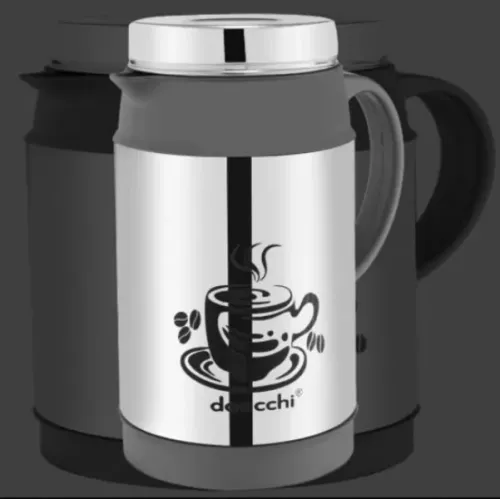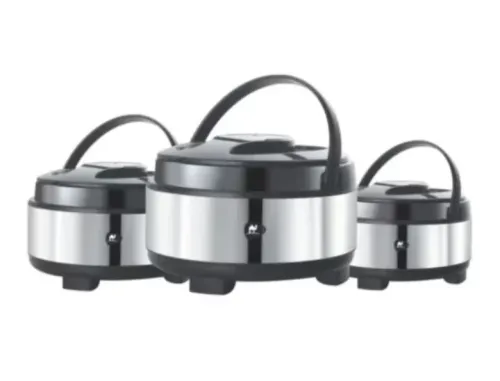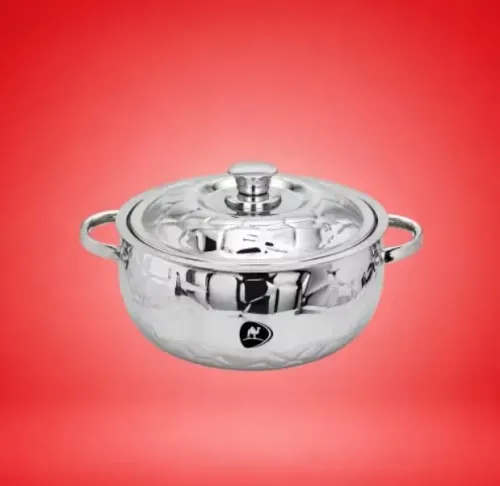
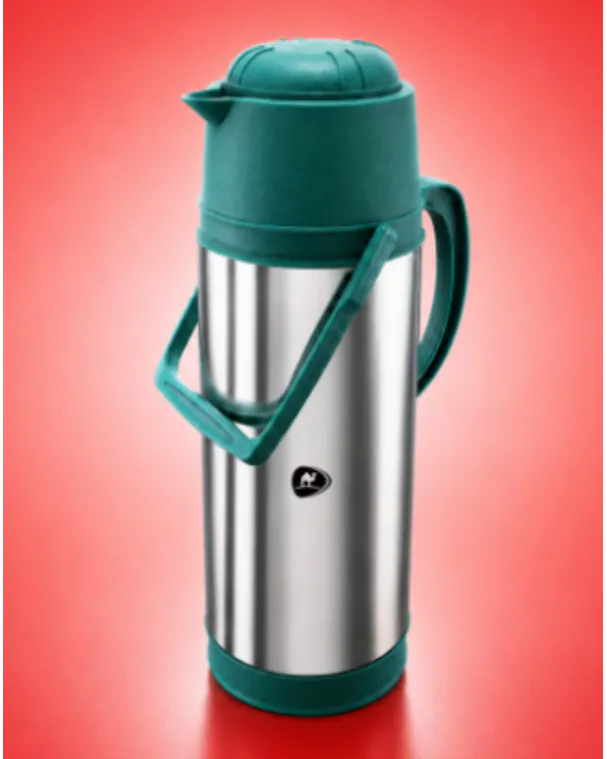
Vacuum flasks are purchased for their ability to reduce heat transfer and make beverages easier to carry or store for later consumption. For a retailer or distributor, however, choosing the right flask involves considerably more than checking capacity and exterior colour.
Before finalizing a Stainless Steel Vacuum Flask Supplier in Faridabad, B2B buyers should ask specific questions about construction, insulation, closure design, available sizes, packaging, supply consistency, and intended use.
What is the flask construction?
The term vacuum flask generally refers to an insulated container designed with a space between inner and outer walls that reduces heat transfer.
Commercial buyers should obtain clear product specifications. Understand the materials used for food-contact surfaces and external components rather than relying only on generic descriptions.
This information also helps retailers prepare more accurate product listings.
What capacities are available?
Customer requirements can vary significantly.
Compact flasks may suit commuters or individual users. Larger capacities can be relevant for households, workplaces, travel, or shared beverage use.
Retailers should select sizes according to customer demand instead of assuming the largest capacity automatically offers the best value.
How does the lid or pouring system work?
Some customers prioritize easy one-handed use, while others may prefer conventional screw closures or cup-style lids. Each design can suit a different application.
Before ordering, test representative samples for opening, closing, pouring, grip, and cleaning convenience.
What insulation information can be supported?
Heat or cold retention should be communicated using verified product specifications and realistic usage conditions.
Actual performance can be influenced by initial liquid temperature, ambient conditions, filling level, opening frequency, and product construction.
Retailers should avoid turning general insulation characteristics into unsupported performance promises.
Is the packaging suitable for the sales channel?
A flask sold through a neighbourhood kitchenware store may have different packaging priorities from one supplied through an e-commerce marketplace or corporate gifting programme.
For online sales, protection during logistics is especially important. For gifting, presentation can carry greater weight.
Faridabad, Haryana, connects with the broader Delhi NCR distribution market and includes industrial, commercial, residential, and institutional customers. This creates opportunities for products that can be supplied through several channels.
Aarav Enterprises operates in stainless steel kitchenware and insulated houseware manufacturing, providing trade buyers with a potential source for evaluating flask requirements alongside other household products.
Can the supplier support repeat orders?
Repeatability matters when a product gains traction.
Ask whether the same capacity, design, finish, and packaging can be supplied in subsequent orders. This is particularly relevant for e-commerce sellers whose product listings depend on consistent specifications.
Before placing a bulk purchase, create a simple procurement sheet listing the required model, capacity, quantity, packaging, expected dispatch schedule, and agreed specifications. Comparing suppliers against the same requirement makes the selection process more objective.
A suitable vacuum flask supplier should support more than an attractive first sample. Product clarity, consistent specifications, practical packaging, realistic insulation information, and dependable commercial communication are all important indicators of whether a supplier can support an ongoing retail or distribution relationship.
Keywords