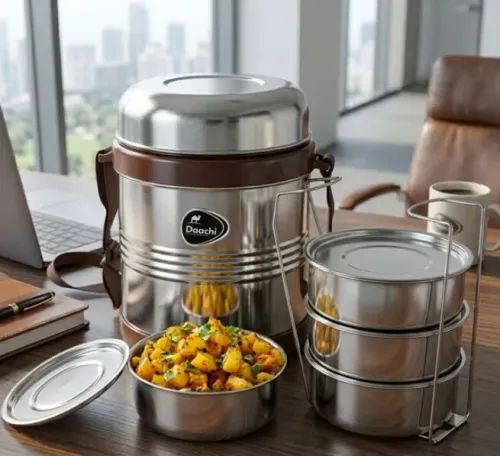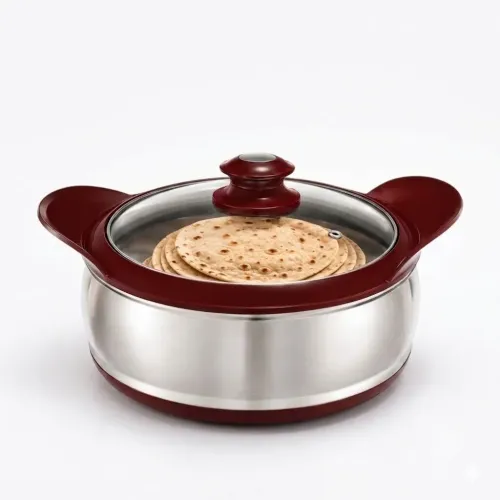
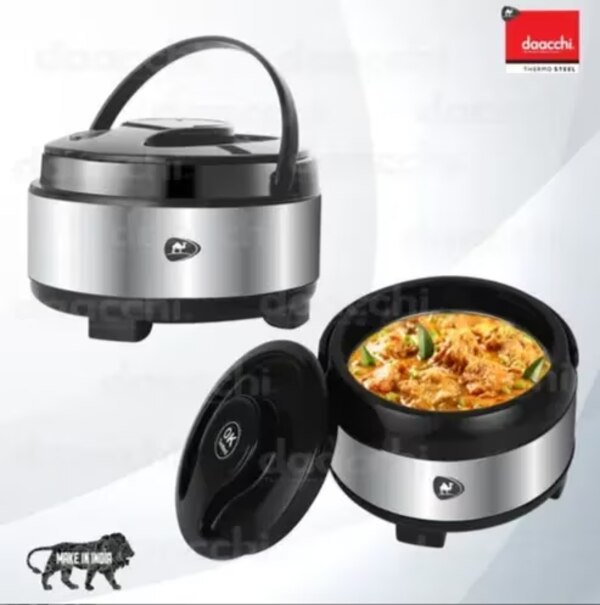
A passive insulated vessel can protect a freshly cooked dish during the short journey from kitchen to table, but it cannot reheat food or guarantee a safe holding temperature. By the end, you will be able to match the vessel to your service pattern, test its real heat retention, choose the right capacity, and identify when active equipment is the better investment.
Key takeaways
- Use insulated hot pots for short, predictable trips from kitchen to service.
- Measure food temperature; do not approve holding time by guesswork.
- Choose vessel capacity and shape according to food, batch size, and service speed.
- Compare cleaning, replacement, labour, and reheating costs before buying.
Where an insulated hot pot fits in Delhi restaurant service
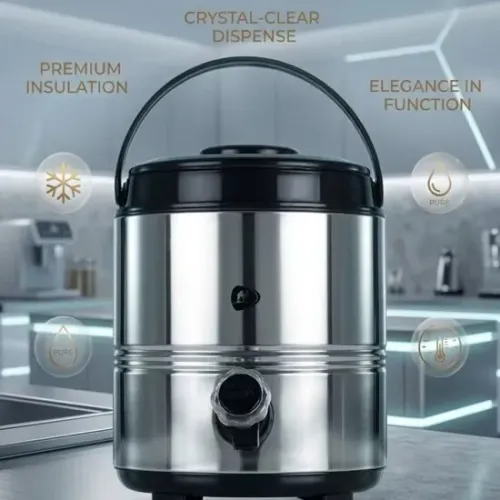
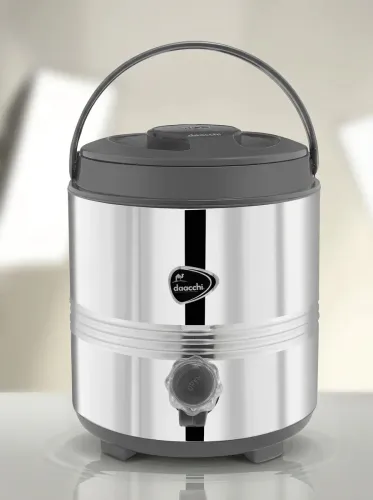
Use an insulated casserole hot pot when food travels from the kitchen to service within a short, predictable interval. It works as a passive holding and serving vessel for table service, room-service dispatch, banquet replenishment, and controlled buffet refills—not as a replacement for a bain-marie, heated cabinet, or induction unit.
The answer to “is insulated casserole hot pot useful for restaurants in delhi” is yes when staff control the time, fill level, and opening schedule. It is a poor choice for unattended buffets, all-day holding, or delivery routes that vary between traffic, vehicle, and customer delays.
| Situation | Fit | Why |
|---|---|---|
| Kitchen-to-table service | Strong | Short transfer and immediate serving limit heat loss |
| Room-service dispatch | Strong | The closed vessel protects temperature and reduces spills |
| Banquet or controlled buffet refill | Good | Staff can replenish smaller batches at planned intervals |
| Unattended buffet | Weak | Repeated opening and uncertain holding time reduce control |
| Long-distance takeaway delivery | Weak | Traffic and route changes make retention unpredictable |
| All-day hot holding | Poor | Passive insulation cannot replace continuous heating |
Delhi conditions still require testing. An air-conditioned dining room, winter service, rooftop event, and vehicle journey produce different cooling rates, so compare the casserole with your current container using the same food, starting temperature, fill mass, service interval, and opening pattern.
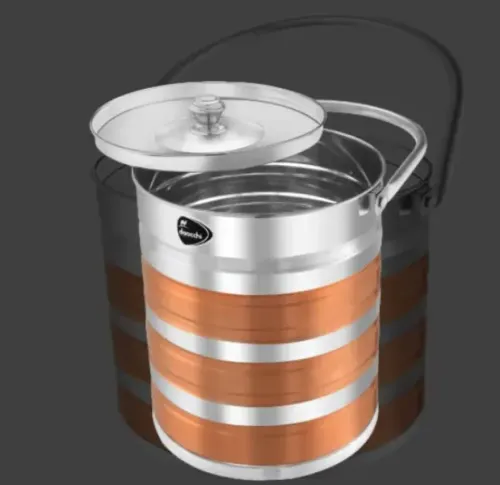
For hot pot for food service in delhi, choose a vessel with a cleanable food-contact interior, no exposed insulation or trapping seams, and documented gasket, temperature, and cleaning limits. Judge performance with a calibrated probe in the food’s centre, not by touching the outside.
Measure temperature instead of guessing holding time
A calibrated probe tells you whether a restaurant meal holding casserole is working; the vessel’s warm exterior does not. Insert the probe into the centre of the thickest portion, avoiding the wall, and keep the food at 60°C or above during hot holding.
Record the core temperature at loading, at set intervals, and at the end of service.
Validate each menu item under the conditions you actually use:
- The same food and starting temperature
- The intended fill mass and vessel size
- The planned service duration and opening schedule
- Delhi conditions such as an air-conditioned dining room, winter service, rooftop service, or vehicle transport
Compare the readings with your current container. A full pot of dal can retain heat longer than a shallow, partly filled pot of rice, so never apply one catalogue retention time to every dish.
Insulation slows cooling but cannot restore lost heat. If food enters the vessel below 60°C, or repeated opening pushes the core below your target, move it to approved active equipment for reheating before transfer. Do not try to recover it by closing the lid.
Food that enters your unsafe time-temperature range must be discarded or rapidly chilled under your food-safety procedure. Also check whether the food remains serviceable: record drying, separation, overcooking, condensation, or texture loss alongside the temperature.
A service routine that protects heat and food quality
Preheat the insulated casserole for restaurant service with boiling water, not a warm-water rinse. Fill it, close the lid, and leave it briefly while the kitchen finishes the food; then discard the water, dry the interior, and load the cooked food immediately.
- Fill the vessel with food straight from cooking, leaving enough space to close the lid without touching the food.
- Close the lid fully before carrying it to the table, buffet, room-service station, or takeaway staging area.
- Place it on a stable, level surface away from fans, open doors, direct sunlight, and cold air-conditioning outlets.
- Keep the lid closed between portions. Each opening replaces hot internal air with cooler air and cools the exposed food surface.
- Replenish with smaller, freshly heated batches instead of topping up a nearly empty pot with a large batch.
- Use a clean serving utensil for every refill, and never mix a fresh batch into food that has already spent an uncertain period in the vessel.
Check the food’s core temperature with a calibrated probe during the complete service period; the vessel feeling warm proves nothing. Keep hot food at 60°C or above under Indian food-safety practice, and validate the actual food, fill level, opening frequency, and service duration before setting a routine.
If food enters an unsafe time-temperature range, do not reheat it casually: discard it or rapidly chill it under your documented food-safety procedure. Never place a passive hot pot on a burner, oven, or induction surface unless its manufacturer explicitly permits that use.
Match the vessel to the food, batch size, and Delhi conditions
Thick gravies, dal, rice, biryani, cooked vegetables, and sauced dishes suit an insulated casserole because they tolerate covered holding without losing their main serving quality. Crispy fried foods turn soft, breads collect condensation, and dairy-based dishes can separate or form a skin; transfer these in small batches or use active holding.
| Food and conditions | Works well | Creates problems |
|---|---|---|
| Food type | Curries, dal, rice, biryani, gravies | Fried foods, crisp toppings, delicate dairy sauces |
| Batch size | A batch that nearly fills the vessel and matches one service interval | A half-empty oversized pot, or an undersized pot that needs constant refilling |
| Delhi setting | Kitchen-to-table service, room service, controlled buffet refills, short banquet dispatch | All-day buffet holding, rooftop exposure, winter transport, air-conditioned rooms, or variable delivery routes without validation |
Choose capacity from the portion count and refill schedule, not the advertised litre figure. Several smaller vessels can preserve quality better than one large vessel because staff open each one less often.
A stainless steel hot pot for restaurants remains a passive holder, not a bain-marie, heated cabinet, or induction unit. Load food immediately after cooking at the required holding temperature; insulation cannot recover heat lost before loading.
Test the actual route and room with a probe thermometer, including Delhi summer, winter, air-conditioning, rooftop, and vehicle conditions, and keep hot food at 60°C or above. Ask for the food-contact steel specification, gasket material, temperature limit, cleaning method, and confirmation that the interior has no seams or trapping points.
Compare the full operating cost before you buy
Compare the full six-month cost, not the purchase price. Add the vessel or equipment price, expected replacement life, electricity, installation, cleaning, temperature checks, staff time, and food discarded after temperature failure. An insulated casserole for restaurant service removes electricity use but does not remove monitoring or reheating costs.
| Option | Equipment and energy cost | Labour, control and risk |
|---|---|---|
| Insulated casserole | Lower capital cost; no electricity during service | Staff must preheat, measure temperatures, refill smaller batches, and replace units when seals or lids fail |
| Heated cabinet, bain-marie, or induction unit | Higher purchase, installation, electricity, and maintenance cost | Provides heat recovery and longer controlled holding, but requires cleaning, power, and operating space |
| Hybrid setup | Pays for active holding in the kitchen and passive transfer to service | Limits transport cooling while avoiding active equipment at every table or dispatch point |
Choose the passive option when the route is short, predictable, and measured. For an all-day buffet or variable delivery schedule, price the active equipment instead of treating a stainless steel hot pot for restaurants as a replacement.
Before ordering, ask the supplier for:
- Food-contact stainless-steel specification, gasket material, maximum temperature, and cleaning instructions.
- Confirmation that the interior has no exposed insulation, uncleanable seams, or food-trapping joints.
- A measured heat-retention test showing starting temperature, ending temperature, food type, fill volume, opening frequency, and ambient conditions.
- Replacement prices and availability for lids, gaskets, and damaged inner containers.
Aarav Enterprises is worth asking for those specifications when comparing its insulated casserole against competing models, rather than accepting “keeps food hot” as a performance measure.
Related products
 | Stainless Steel Casserole ₹925 Insulated Casserole Hot Pot The Daacchi Insulated Casserole Hot Pot is a premium-quality food storage solution designed to keep meals hot and fresh... View product → |
 | Stainless Steel Casserole Hot Pot Casserole with Lid The Daacchi Hot Pot Casserole with Lid is a stylish and durable insulated food storage solution designed to keep food hot... View product → |
Frequently asked questions
Where does an insulated hot pot fit in Delhi restaurant service?
Use it for table service, room-service dispatch, banquet replenishment, and controlled buffet refills when food reaches service within a short, predictable interval. It does not replace a bain-marie, heated cabinet, or induction unit.
How can you check whether food stays hot enough in an insulated casserole?
Use a calibrated probe thermometer and record the food temperature at dispatch, arrival, and during service. Do not rely on the vessel's claimed holding time without testing it with your actual food and portion size.
What service routine protects heat and food quality?
Preheat the vessel when the manufacturer permits it, fill it promptly, keep the lid closed, label the dispatch time, and check temperature at defined points. Reheat or discard food according to your food-safety procedure rather than extending holding time by guesswork.
How should Delhi restaurants match a hot pot to the food and batch size?
Match capacity to the batch you will serve promptly, leaving minimal empty space. Check the vessel's opening, lid seal, handle, cleaning access, and suitability for gravies, rice, fried foods, or delicate dishes.
What operating costs should restaurants compare before buying?
Compare purchase price with washing time, staff handling, breakage or dent replacement, storage space, temperature checks, reheating, rejected food, and the cost of any heated equipment the vessel cannot replace.
Related products
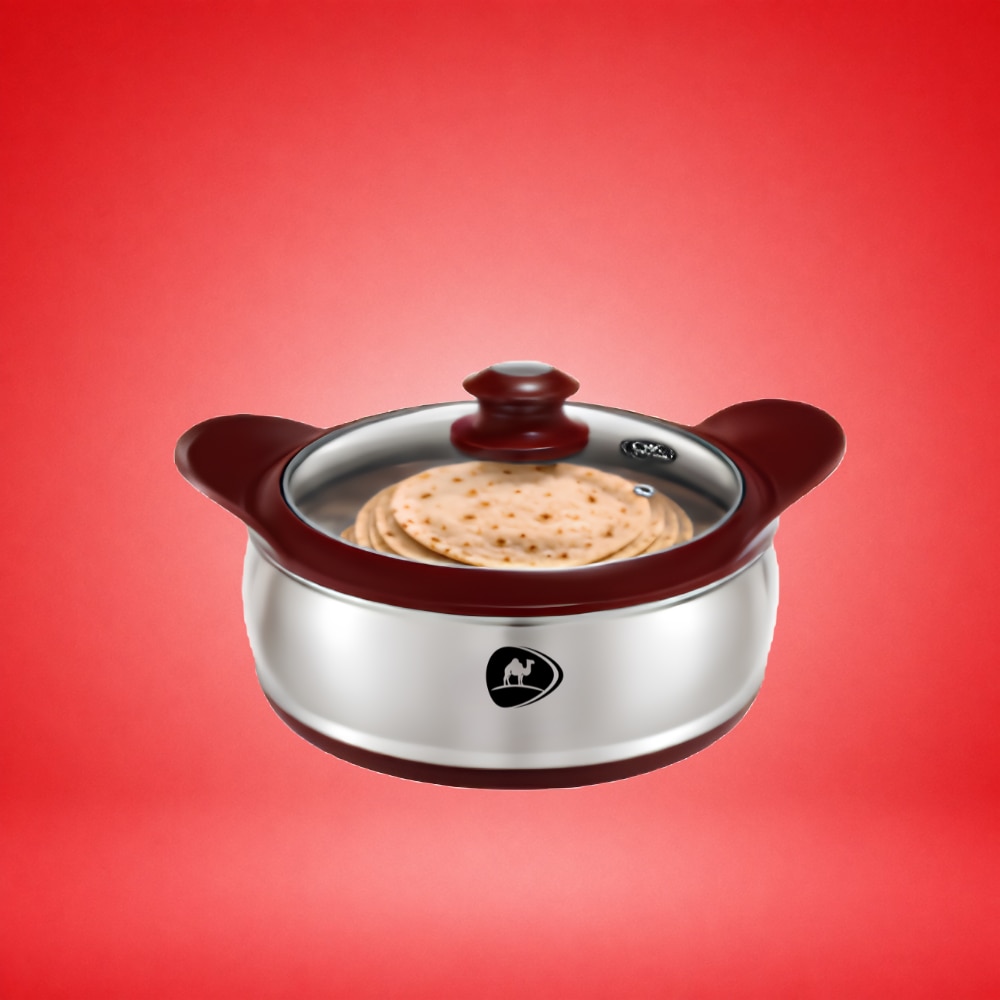
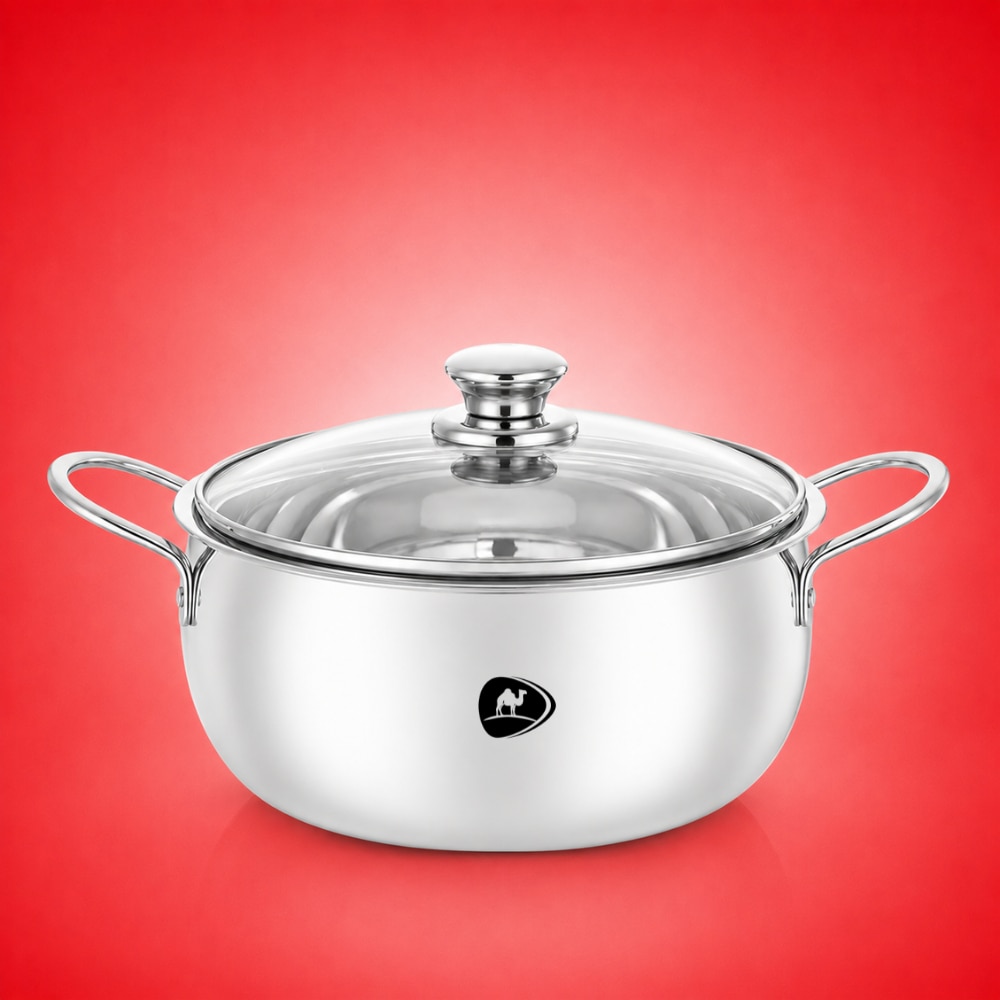 | Stainless Steel Hot Pot And Casseroles Stainless Steel Casserole With Glass Lid ₹755 Stainless Steel Casserole With Glass Lid The DAACCHI Stainless Steel Casserole With Glass Lid is a premium insulated serving solution designed to... View product → |
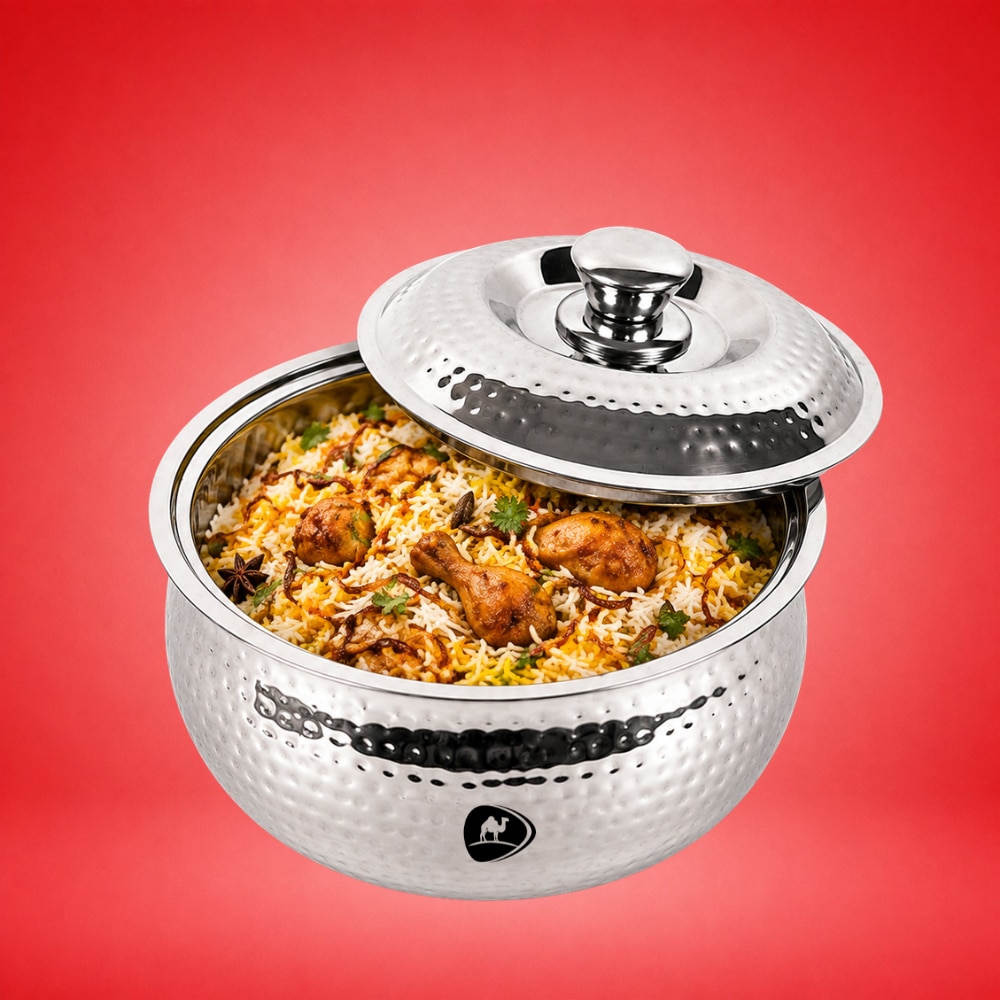
 | Stainless Steel Hot Pot Round Stainless Steel Insulated Casserole ₹565 Round Stainless Steel Insulated Casserole The Daacchi Round Stainless Steel Insulated Casserole is a stylish and durable food serving solution... View product → |
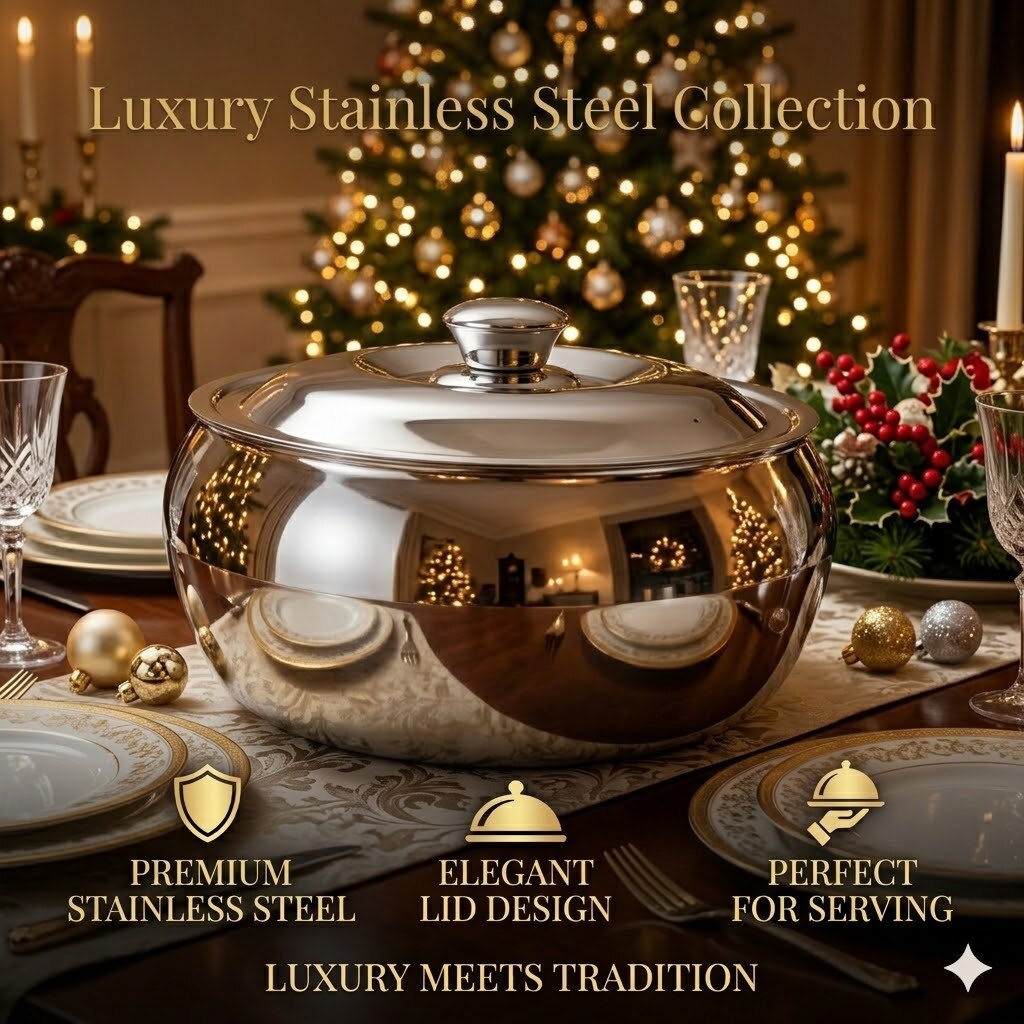
 | Stainless Steel Hot Pot Daacchi Silver Stainless Steel Insulated Casserole ₹835 Daacchi Silver Stainless Steel Insulated Casserole The Daacchi Silver Stainless Steel Insulated Casserole is a premium-quality serving solution... View product → |
 | Stainless Steel Kettle Stainless Steel Casserole (3000ml) Stainless Steel Casserole (3000ml) The DAACCHI Stainless Steel Casserole (3000ml) is a premium double-wall insulated serving bowl designed to keep... View product → |
Keywords